Repair of Roofing: Expert Tips and Guide
By
Daniel
Published
February 6, 2026
Read Time
4 min read
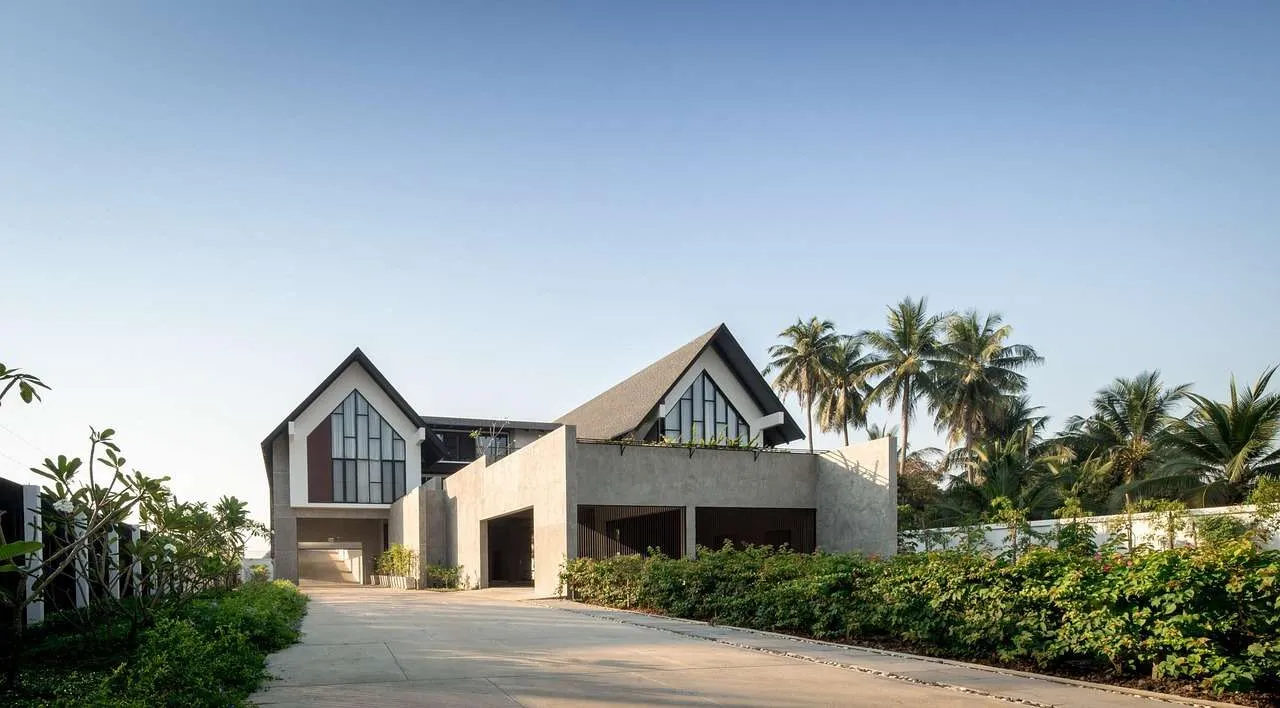
Repair of roofing is a skill that adds years to the life of a home and protects inhabitants from weather. As a homeowner, recognizing the early signs of damage and knowing when to call a professional can save you time and money. This guide explains how to assess roof issues, what professional repairs cover, and how to choose a trusted roofer in line with EEAT standards.
Recognizing the need for repair of roofing
Common signs include curling or missing shingles, visible granules in gutters, daylight through attic rafters, leaks around chimneys or vents, and ice damming in winter. Even minor seepage can indicate flashing failures or compromised underlayment. Regular inspections after storms help catch problems early. When damage is localized and age of roof is moderate, repair is often more economical than a full replacement.
Repair vs replacement: when to consider each
Age, roofing material, extent of damage, and budget drive the decision. If more than 20 percent of the roof is damaged or shingles are brittle, replacement may be wiser. For roofs under 15 years with isolated leaks, targeted repairs, resealing flashing, or replacing a damaged section can extend life without the disruption of a full roof job.
Common repair types
Shingle repair involves replacing broken or missing tabs, resealing edges, and ensuring proper alignment. Flashing repair fixes metal strips around hips, valleys, chimneys, and vents to prevent water entry. Leak repair focuses on sealing penetrations and re-bedding sealants. Gutter and downspout maintenance removes blockages that cause water to back up onto the roof edge. For metal roofs, sheet seam repair and rust treatment are common.
Repair steps and best practices
Start with a thorough inspection or hire a licensed roofer who will assess attic moisture, shingle condition, and flashing integrity. A written estimate should detail materials, labor, expected warranty, and project timeline. Temporary tarping may be used to limit further damage while repairs are scheduled. Use high quality flashing, compatible sealants, and proper nail sequences to avoid future leaks. Always address underlying causes, such as improper attic ventilation or insulation gaps, to prevent recurrence.
Safety, licensing, and choosing a pro
Work at height carries risk. Hire a contractor with valid license where required, adequate liability coverage, and workers compensation. Ask for before and after photos, references, and proof of insurance. Ensure a written contract with a warranty on workmanship. Compare a minimum of three estimates and check reviews from local homeowners. A reputable roofer will explain options, costs, and long term durability rather than upsell unnecessary work.
Costs and maintenance tips
Repair costs depend on material, access, and problem complexity. Minor shingle replacement might cost a few hundred dollars, while expansive flashing or leak repairs can run into the low thousands. Ongoing maintenance reduces expensive surprises: keep gutters clear, trim tree limbs near the roof, inspect after storms, and address minor issues promptly. Routine inspections every year or after severe weather help preserve the roof and the home’s value.
Frequently asked questions
Can all leaks be repaired? Most leaks can be patched if addressed early; major damage may require replacement. How long does a repair take? Typically 1 to 2 days depending on extent. Should I repair in winter? Weather windows matter; freezing conditions can complicate sealants and safety checks. Always confirm with your roofer about timing and guarantees.
Comparison: repair vs replacement
| Aspect | Repair | Replacement |
|---|---|---|
| Longevity | 5 to 15 years depending on material and exposure | 15 to 50 years depending on material |
| Cost | Lower upfront; can be expensive if recurring issues | Higher upfront but predictable life span |
| Disruption | Less disruption | More disruption and time |
| Maintenance needs | Periodic inspections needed | Lower maintenance if newer install |
| Best for | Localized damage or aging with partial life left | Extensive damage or aging beyond repair |
Choosing between repair and replacement depends on the roof's current condition, budget, and long term plans for the home. A proactive repair plan by a qualified roofer can extend service life, while a full replacement guarantees a fresh, energy efficient barrier against the elements. Always lean on professional assessment to align with building codes and warranty terms.
Conclusion, a careful approach to repair of roofing combines timely detection, quality workmanship, and preventive maintenance. By understanding signs, selecting a qualified pro, and weighing cost and durability, homeowners can protect their homes effectively and responsibly.